Permaculture principles as a philosophy for ADHD coaching
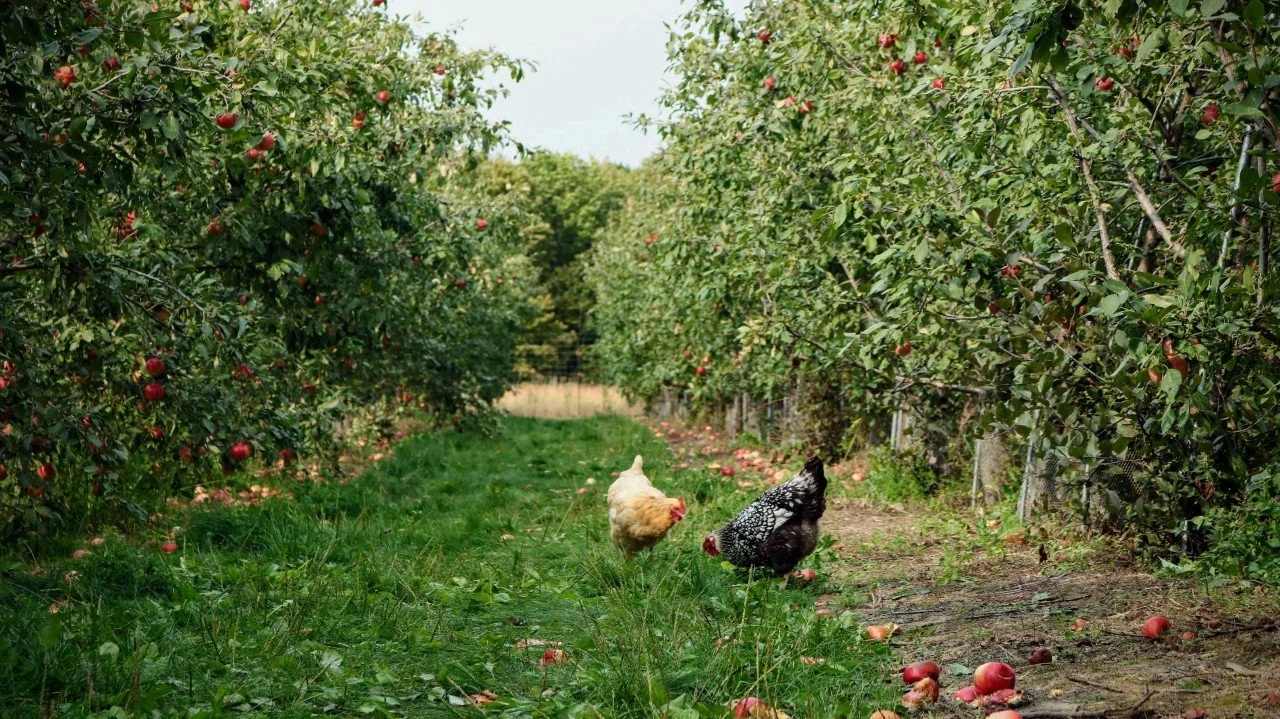
Some years ago I moved to an intentional community in Wales with the idea to change it into a self-sustaining movement. The study of permaculture has some odd side effects as I kept noticing the link between human relationships and living according to the principles of permaculture. Even though the community did not work out for me, those principles became the underpinning of my coaching methodologies.
They taught me to first observe and to help the client observe themselves. What are their needs? What are the dragons they still have to vanquish or subdue? What are the ways that they communicate? How do they react to any perceived threat or feelings of not being safe? What are their strengths? What gives them joy?
They taught me to observe partnerships, couples, or parents with their children. What needs clash? What dragons interact with each other and end up breathing fire? Do their survival traits (fight, flight, freeze, fib, fawn, flop) oppose each other and is this causing difficulties?
They taught me to observe their environment. Do their surroundings, whether home, family, or work, feel safe? Are they nourished by their environments? Are they slowly being emotionally or spiritually starved by their environments? Does their environment need to be added to in order to be balanced?
It is only after the observations that changes can be slowly introduced.
In nature observations it is the margins where the highest biodiversity happens. Where for example a field meets a forest or a river meets a field, that is where the most energy is exchanged. In couples it is the differences that give areas for growth. The very things that in an ADHDer usually are considered to be deficits can enrich relationships. Their different experience of time can free their partner from too rigid a timetable and allow play to enter. Their struggle with organised organisation (as opposed to chaotic organisation) can allow their partner to learn to care less about the neatness of the home and free time for fun activities.
It is the structure from the nonADHD partner that gives some necessary boundaries to the myriad of ideas that flow from the ADHD brain and it is this structure that allows the ADHDer to plant the seed, water it, and let it grow.
It is the linear time sense of the nonADHD partner that makes it easier for the ADHD partner to survive in our time-bound society, lessening the guilt and shame of not being able to gauge time by piggy-backing on the linear time sense of their partner.
Between the more logical and grounded ideas of the nonADHD partner and the unconventional and creative problem solving mind of the ADHD partner, a partnership can be built that allows them to generate a life that works for both.
This is an ongoing conversation and developing philosophy for me. What am I missing? What could be added? Please join the conversation.
Warm wishes,