What you see is not what you get when it comes to neurodivergence and emotions
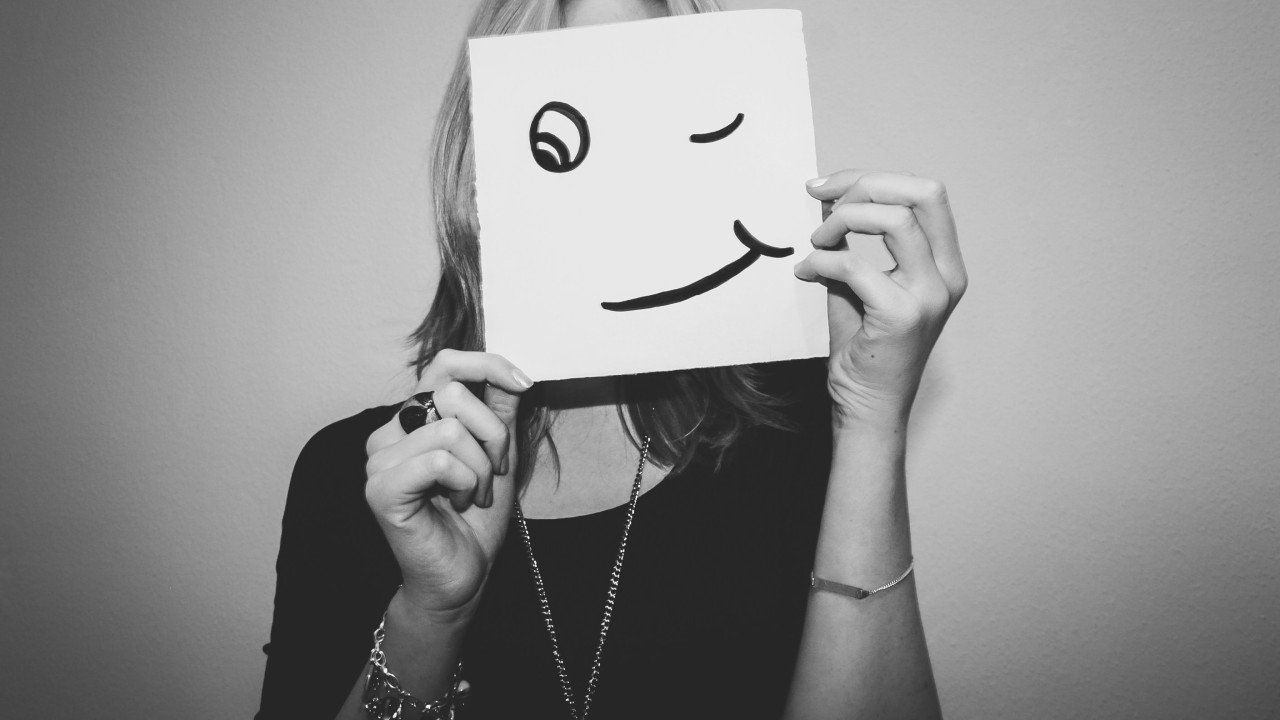
When my daughter boarded her plane back to the UK, I sobbed my heart out internally. Externally no one would have noticed. I felt as if I dropped into a deep hole of grief. When I looked into the mirror, my usual calm face stared back at me.
Two weeks ago I drove to Italy to spend 6 months here. Moving countries is always hard. It is not even just the language. It is everything. The way the roads work is different. The signage is different. The lines on the road are less bright. The cracks in the road (due to subsidence) are terrifying.
What really helped was one of my daughters coming to stay for a week, and having her here to do that first exploring with. I had not seen her in a year and at first it felt slightly awkward. Within a few days, however, it felt as if she was supposed to be here. Always.
I think it is fair to say that both of us struggle to express our emotions. It meant so much to me that we had some deep conversations, a lot of true connection. It made it, once again, so clear to me that what you see is not what you get, when it comes to emotions and neurodivergence.
Some of us have emotions that are like ocean waves - the highs are extremely high and the lows touch the depths of our soul. And yet we may never show this. We may only show our anger and upset. Not the love. You may wonder if we do actually love you. You may never truly understand the depth of our feelings for you.
Which is why I sobbed inside when she left. I fell into a deep hole of depression and had to climb back out of it again. No one noticed as it did not show on the outside.
The people around us, the ones we love, are to us what the moon is to the earth. When you are nearby, our emotions are extreme. We are ecstatic or depressed, depending on how you are with us. When you are away, those emotions are lessened, like the moon’s orbit at apogee, when the tides are less strong. This can confuse the ones we love, as if we do not miss them. It isn’t that. It is that our emotions are more at rest. I have seen the phrase ‘out of sight, out of mind’ used, but do not feel this is correct. We still love you. We still think of you. The wave is simply less extreme. Calmer. Without the need to let you know.
When you, the partner of an ADHDer, crave to be told you are loved and you never get to hear the words, remember that the first language is not words, it is the body. Look for deeds, for what we make for you, for what we do for you.
Right now my heart is full. Tomorrow I will have to focus back on work. Today I will simply feel.
If this touches you, and you would like to work with me, book a free intro session to discuss Spark & Steady Couples, a programme for ADHD/nonADHD couples.