Reality is not real - how our brains design our world
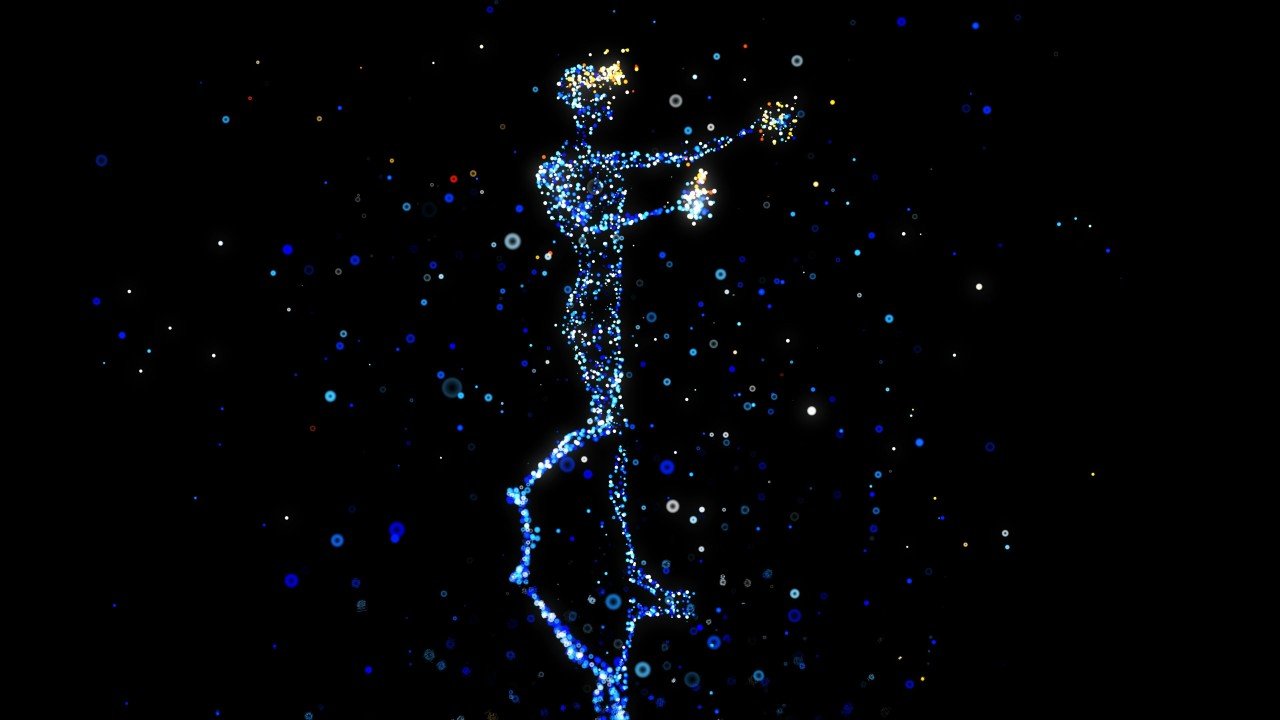
What we think of as reality is not real. We make it up in our brains.
We take in sensory information through our nerve endings. This gets transmitted to our brains via the spinal cord. Our brains have a model of the world inside that is made up out of our experiences. The sensory information is matched to that predictive model and if it mostly matches, we stick to that interior model as being ‘reality’. In essence we live in a hallucination that our brain has designed.
Imagine a ball heading towards you. Your brain maps the visual sensory information to the interior model it has of the world. Through this it plots where the ball will end up and transmits this back to our hands, which then go to catch the ball.
If the model is right, we catch it.
If the model is not correct, the ball might smack us in the face.
We use the same model to predict how someone else might react to a situation. We match the situation to our own internal model and extract what would ‘normally’ happen in this situation. How we would react. We expect this to be the case with the other person. If they react differently, our brain sees it as a prediction error.
In this way we are continually exchanging information in our brain between predictions and prediction errors, coming up with what we see as reality.
“Accurate predictions suggest that cortical hierarchies embody a model of how sensations are produced or generated. This model is known as a generative model and has to be learned or acquired through experience. In other words, generative models have to be formed (via experience-dependent plasticity) to enable perceptual inference or synthesis.”
https://pmc.ncbi.nlm.nih.gov/articles/PMC4166359/
We take the sensory information we receive from our nerve endings and use this to error check our reality. Small errors are ignored. They do not change our internal model. The error has to be large enough, or happen often enough, for our internal world to shift.
For any change to happen, you need to be aware of your inner world first.
Why am I telling you all this?
The world we have designed internally, according to our predictions, is the one we assume is the reality. The way you respond to your partner is because of the way you have shaped your internal world. Understanding each other’s world is a big step to understanding why the other responds in a way you do not understand.
In one of the modules of the Spark & Steady Couples programme, partners enter each other's inner world to help them understand each other, and the other's reactions to situations.