The Cost of Being Normal
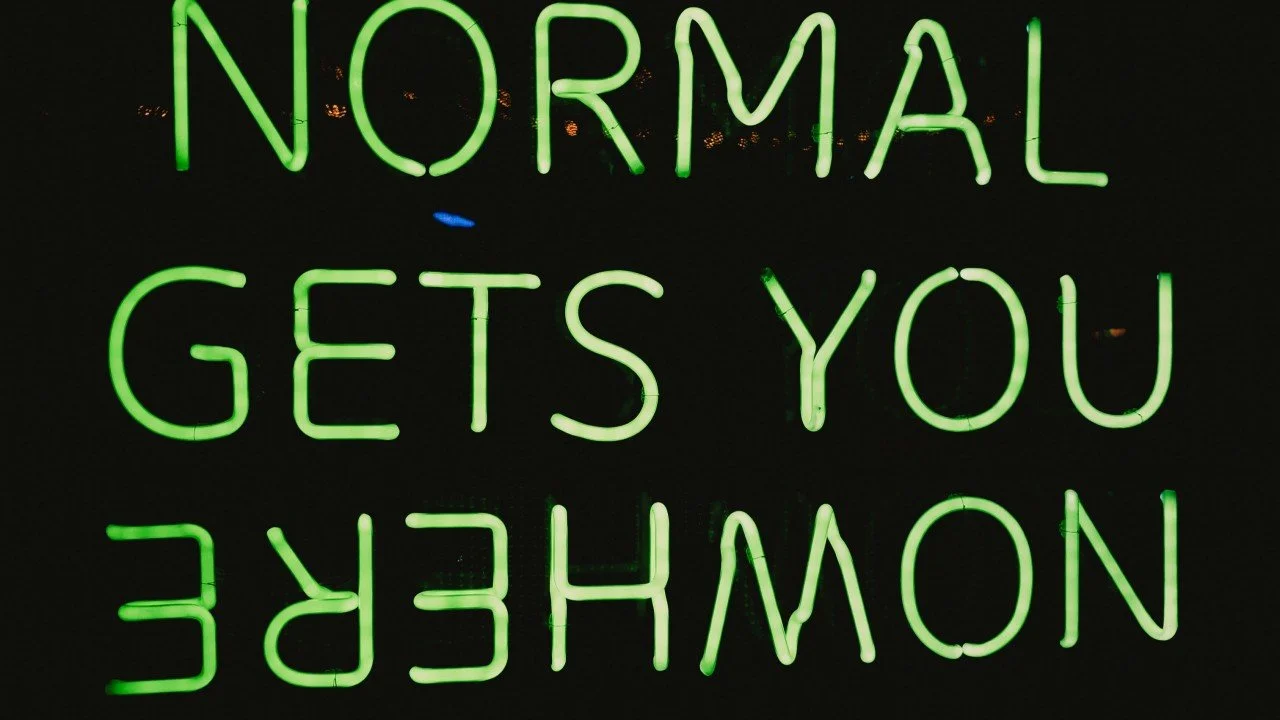
Imagine being a child and having every feeling you have being invalidated, every action and behaviour criticised. Always being outside every group.
Your parents are desperate for you to make friends and tell you to ‘be more like….’ as then it will be easier to make friends. You are not invited to birthday parties. When you are happy and spontaneously say something or do something, it feels like the world suddenly stops and everyone stares at you and you try to figure out what you did or said that was wrong. What would the effects of this be?
When your feelings are invalidated, you start to doubt that those feelings are real. You stop showing your feelings. You stop recognising what you are feeling. You think you stop feeling except that your feelings are turning inward. Back aches. Headaches. Strange illnesses. Anxiety.
When you are always outside of every group, you start to look at the people in the group to see how they act, what they say, how they interact with each other, and you mirror them to try to fit in, trying to be ‘normal’. At first you get it wrong and you are the kid that is weird as it treats everyone as if they are their best friend, which they are not, but at some point you start to get it right. You feel you are finally one of them. Except the anxiety stays. And you still get so much wrong. And you are so very tired.
Exhaustion was a near universal response in a 2017 British survey. Adults interviewed described feeling mentally, physically and emotionally exhausted. We end up climbing in bed and pulling the covers over us, not surfacing until we feel a little better. Of course everyone gets tired, but this is an extra level of exhaustion.
If all your stims are unacceptable, and you camouflage your need for emotion regulation all day long, you have little energy left over for the rest of your life. You are also more likely to have a meltdown or a shutdown, i.e. those weeks of not getting out of your bed.
Friendships don’t feel real as you are not being the real you. You feel you always have to try harder to keep friendships going. Everything must be controlled as otherwise your life will come crashing down. It is a very lonely existence. Sometimes ADHDers play so many roles, they no longer know who the real person is. What is their actual identity?
For the nonADHD partner:
Believe in your ADHD partner. Otherwise it is soul destroying. You fell in love with the ADHD person. To have a successful relationship you have to accept and enjoy the ADHD in all its glory and pitfalls.
Find empathy for each other. Work on understanding each other. Accept what the other says, about how they feel or how they struggle, as truth. Do not say ‘it isn’t as bad as you make out.’
Trying to change your partner makes them feel you do not love them. If you did, you would not want to change them. In fact, being accepted and loved as they are is the one most incredibly big wish of all ADHDers.
By the way, I have three spaces every month to start my ADHD/nonADHD couples programme. If you would like to know more, email me at anitahempenius@gmail.com.